
About the Project
THE FACTS | CREDITS | FROM THE PRODUCERS | SPONSORS
Filmed in HD, the ASSR video series comprises more than ten hours of original video material, which can be viewed in a number of ways: 1. The DVD Boxed set: This contains 3 DVDs and features all of the program material. Bonus and source material will be available to you online here on this site. The DVD-Boxed set also gives you access to the main program material for download. 2. A Complete Order Download: This lets you purchase the entire series for download only at a special discounted rate over purchasing each section individually. 3. An Individual Section Purchase: Here you can purchase Sections individually for download. 4. The Education License: If you are a school or college you can purchase a special Education License that gives students access to the program material online, plus tutor/director access to student scores on the Quizzes.
DVD ONE
An Introduction To Recording
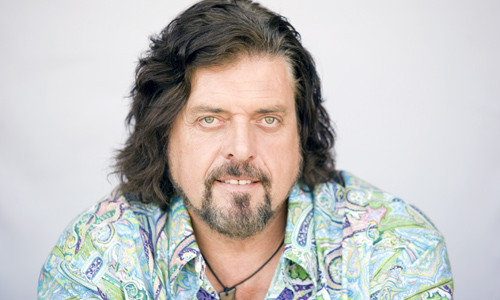 Alan introduces the program from the GRAMMY museum in Los Angeles, tracing the development of sound recording from Edison to MP3. Read the Full Article
Studio Acoustics
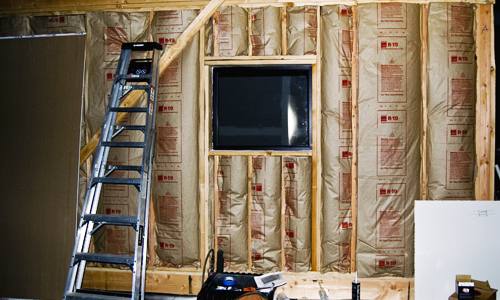 We look at the science of sound and acoustics from the perspective of constructing a brand new studio space at Keyfax NewMedia’s California production facilities. Alan speaks with Auralex senior acoustician Gavin Haverstick and to studio designer Chris Pelonis about isolation, room modes, budgets, studio layout and more. Read the Full Article
Microphones
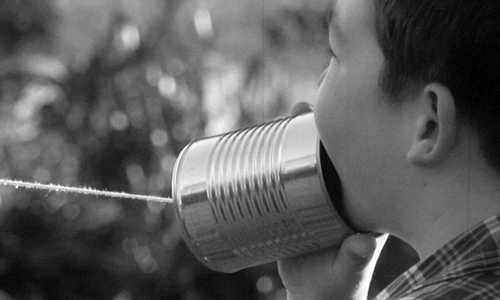 Filmed mainly at his own studio in Santa Barbara, Alan investigates microphones from the ground up. What is a mic? How do the various types of mic work? Polar patterns, characteristics, applications and techniques. Input along the way from self-confessed mic junkie John McBride (from Blackbird studios in Nashville), Jonas Brothers producer John Fields, and top film / orchestral engineer Simon Rhodes from Abbey Road. Read the Full Article
Consoles And Controllers
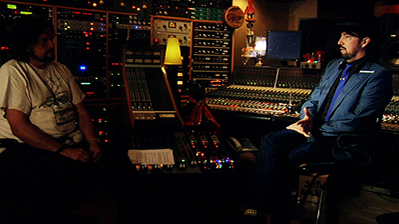 Starting with Alan re-discovering the EMI desk on which he recorded Dark Side Of The Moon (that now resides in Los Angeles), Alan looks at the most complex-looking piece of equipment in any studio, real or virtual. Knob-by-knob explanations are followed by an experiment with analog summing vs. mixing in the box, and finally a look at the role of controllers in the world of DAWs. With some invaluable insights from Jack Joseph Puig, Patrick Leonard, and Niko Bolas. Read the Full Article
Digital Audio And Computers
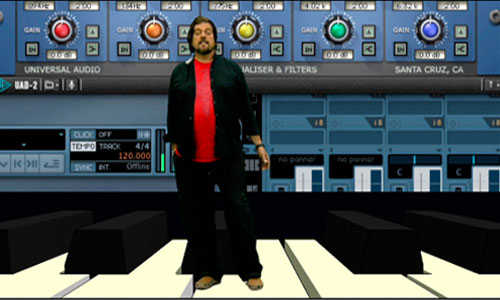 Reel-to-reel tape recorders are obsolete. Recording has become a totally computer-based activity. What can be learned from the veterans of the analog recording art and what knowledge can be carried over to the digital world? Alan takes us on an extensive tour of the equipment currently available – hardware, interfaces, applications, software plug-ins and disc drives. With the help of producers like John Shanks and artists like Michael McDonald, he investigates both the advantages and pitfalls of record-making in the 21st Century. Read the Full Article
Monitoring
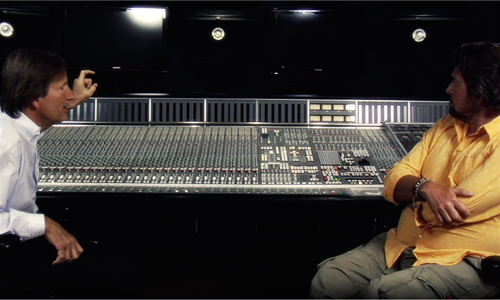 We visit Record One in Los Angeles, home to Thriller among many others where Alan quizzes Ocean Way Recording owner and speaker designer Allen Sides. Not everyone can trade their house for a set of loudspeakers, though, and this section covers all the bases from high-end studio systems, through to classic nearfields such a Yamaha’s NS10s, to headphones and even ear buds. What is important about monitoring is that you can trust what you hear and this section clearly sets out the parameters and practices to follow. Read the Full Article
MIDI
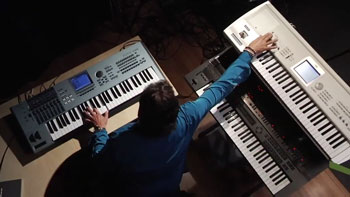 MIDI began life as a keyboard-aid but it went on to help establish the digital revolution that has transformed to entire recording landscape. Alan talks to MIDI founder Dave Smith, then looks at the ways MIDI recording is still widely used in film, dance music, and many other genres. The section explains exactly what MIDI is, and can do, in simple terms. Finally! Read the Full Article
DVD TWO
EQ
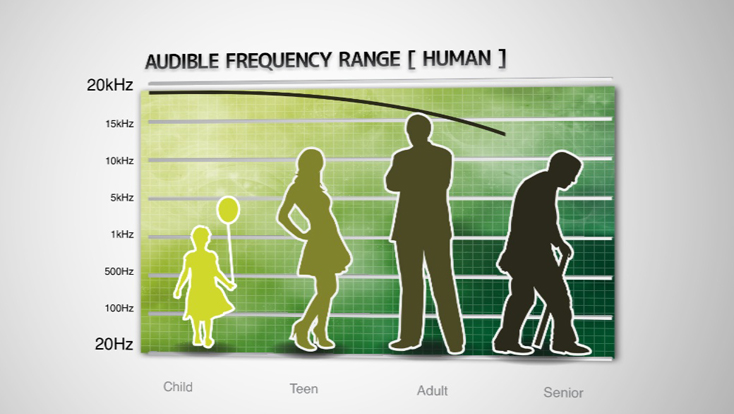 A large part of being able to conduct a good recording is knowing how to listen. This section not only provides fact-based answers as to EQ frequencies and the various ways they can be adjusted, it also gives you tools that you can use to train yourself how to ‘hear’ more analytically. Read the Full Article
Compressors And Limiters
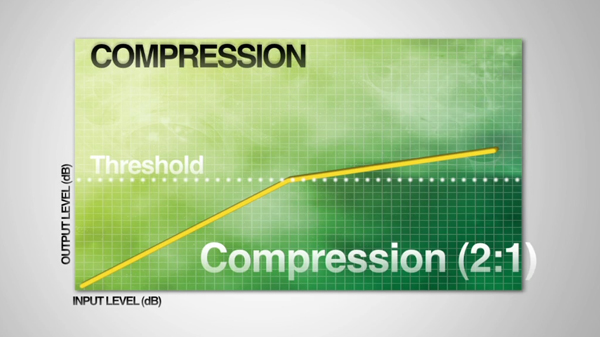 A complex subject, and one frequently misunderstood and much argued about. Alan defines terms, explains parameters, provides instrument-by-instrument examples, and then explains the consequences. Universal Audio’s Bill Putnam Jr. is interviewed, plus there are wonderful insights into use and misuse from Steve Marcantonio, Niko Bolas, John Fields, and Allen Sides. Read the Full Article
Noise Gates
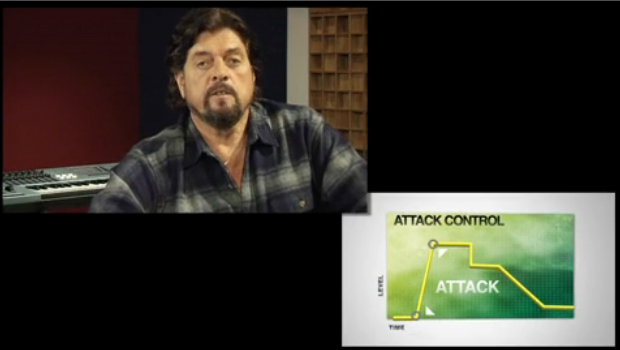 We discover the invention and development of the noise gate and examine both its original purpose and eventual role in sound recording. A range of gate applications are set up and explained, including changing sound envelopes, creating our own gated reverbs, side-chaining, and more. Both hardware and software gates are featured in this section, along with explanations of their relative merits. Read the Full Article
Reverb
 This section traces the history and progress in artificial reverb technology, then takes a parameter-by-parameter look at digital reverb settings, hardware and software reverb products, and application of reverb to individual instruments and entire mixes. Interview clips from Elliot Scheiner, John Shanks, and others complete this highly revealing section. Read the Full Article
Delays
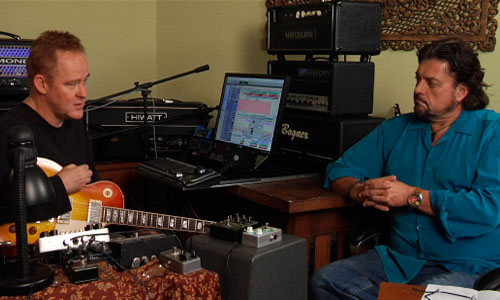 Related to the earlier section, Delays looks at the application and use of this time-based effect along with its cousins: flanging, phasing, and multi-tap FX. There are some fascinating hands-on experiments with different type of delay in this section. Read the Full Article
Band Tracking Session
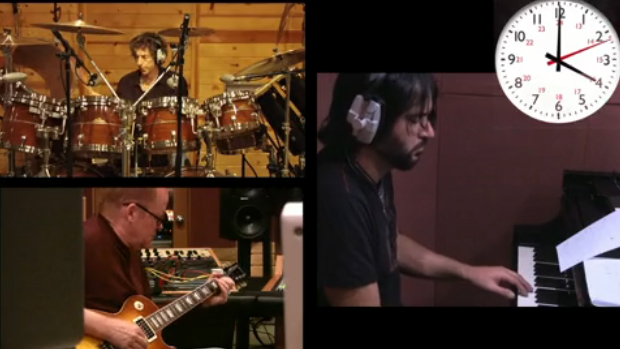 Alan wrote a brand new ‘Alan Parsons’ track for this DVD set and this section offers a fly-on-the-wall (or reality show – take your pick) seat in the studio. How does Alan turn a drum loop and chord sequence into a song? What’s the value of a ‘live’ tracking session, where musicians actually get to play together? What are the issues? All and more are revealed in this section featuring Simon Phllips on drums, Nathan East on bass, Tim Pierce on guitar, and Rami Jaffee on piano. This is a real gem. Read the Full Article
Vocals
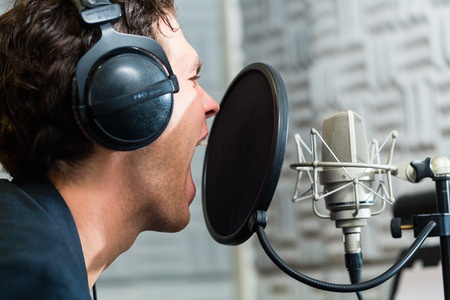 Probably the most crucial – and complex – part of modern recording. This section looks at and talks with singers both experienced and inexperienced and vocal techniques from both singer’s and engineer’s perspectives. Michael McDonald offers priceless information, as do a raft of producers, engineers, and vocal coaches. Techniques such as comping, and pitch correction are both looked at in detail. Read the Full Article
Internet Recording
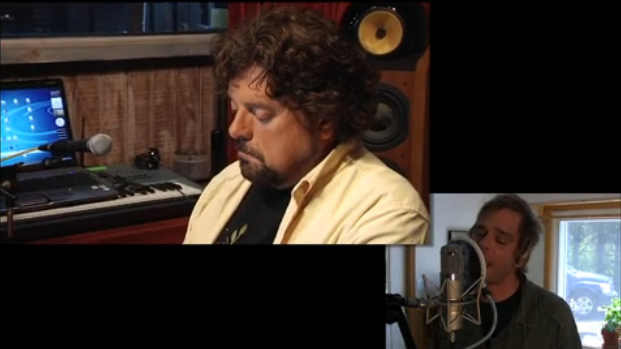 Few people doubt that the internet represents ‘a’ if not ‘the’ solution as to how we will conduct recordings in the future. Question is, right now, exactly how? We look at one of the currently available systems on a vocal session. It’s 9AM for Alan in California while the singer, working from his own studio Michigan, is ready for lunch. That’s just one of the issues. Read the Full Article
DVD THREE
Drums
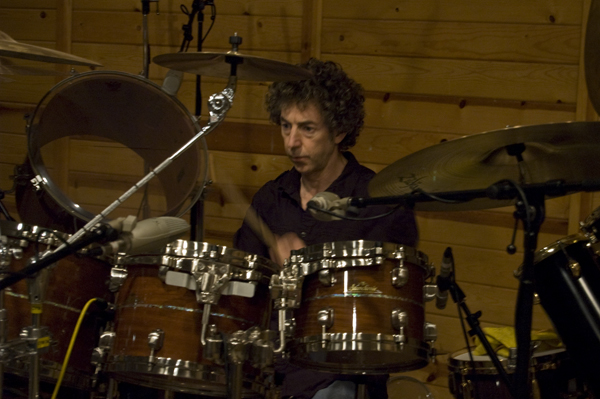 Simon Phillips provides one of the most comprehensive looks at the art and science of recording drums ever undertaken. From tuning, to acoustics, to mic usage, to recording approaches, Simon and Alan provide the tools to getting a great drum sound – one of the consistently most elusive aspects of modern recording. Drummer of The Foo Fighters, Taylor Hawkins is also interviewed. Read the Full Article
Keyboards
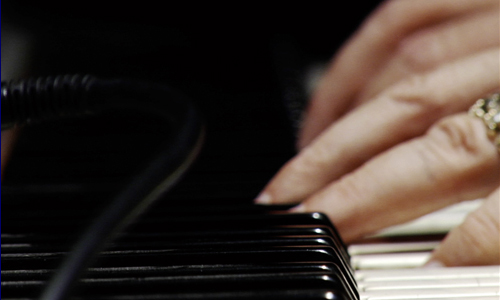 From string pads, to FX and beatmaking, to genuine Hammond B3 or piano playing – the role of keyboard player can be wide and deep. Alan looks at both the playing and ‘programming’ aspects of recording keyboards. How to mic an acoustic piano, how to mic a Leslie speaker cabinet, and also how to manage keyboard parts and sounds so that they work within a track. Foo Fighters / Wallflowers keyboardist Rami Jaffee is the featured player in this section. Read the Full Article
Bass
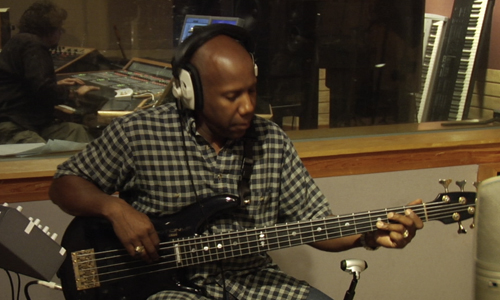 Bass may not be the most complex instrument to record but its role in rock, pop, and hip-hop is absolutely crucial. Alan discusses bass recording techniques with Nathan East during a live tracking session for a new Alan Parsons track, All Our Yesterdays and also meets one of his long-time bass heroes, Carol Kaye, who contributed to many groundbreaking records with Phil Spector, Quincy Jones, The Beach Boys and others in the sixties and seventies. Read the Full Article
Guitar
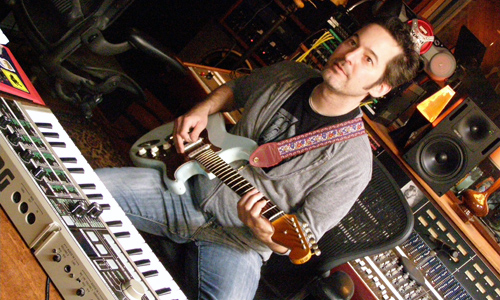 Guitar recording has developed considerably since Alan first helped to record guitar heroes such as George Harrison, Jeff Beck and David Gilmour back in the 1970s. Alan visits top LA session man Tim Pierce at his own studio in L.A’s San Fernando Valley and looks at parts, sounds, effects and approaches in this fascinating look at how guitar and guitar processing has evolved over the past twenty or thirty years. Read the Full Article
Acoustic Guitar With Voice
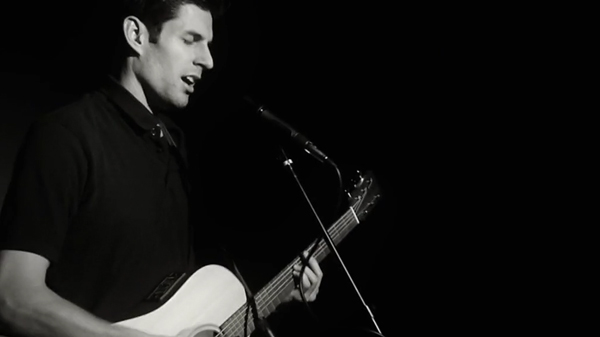 A common recording conundrum is tackled in this section. How do you record both, simultaneously, without one bleeding into the other? A range of physical and technical solutions are provided. Read the Full Article
Recording A Choir
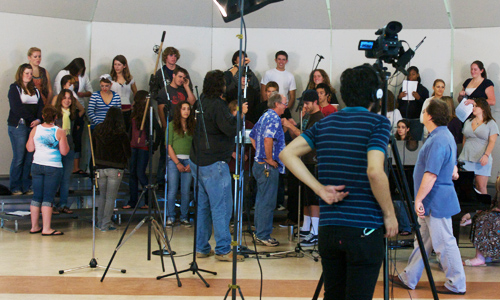 Every school, college, and church has a choir that would like to be recorded for posterity. Alan visits a California High School and captures a magical performance – not in a studio, or concert venue – but in the challenging setting of a multi-purpose school hall. Learn how a careful set-up and skilled post-production can elicit a wonderful result. Read the Full Article
Approaches To Live Recording
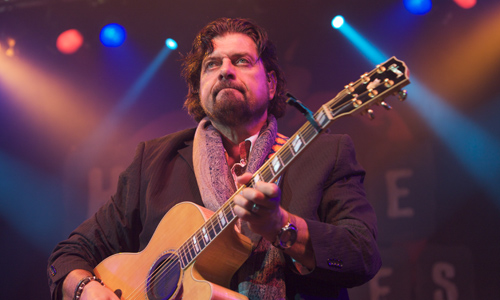 The Alan Parsons Live Project at The Grove Theatre in Anaheim, California, filmed early in 2009, provides a colorful backdrop for this brief but informative section on the challenges posed by live recording in a concert setting. Read the Full Article
Mixing
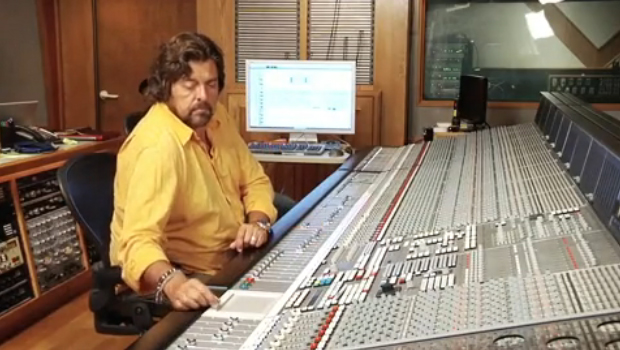 The mix is where the rubber hits the road for any recording. Conducted primarily at LA’s Record One studios, where Michael Jackson’s last three albums were recorded and mixed, Alan takes us through every stage of a mix from preparation to delivery media in this fascinating and extensive section. Good working practices (consolidation, track sheets, notes and more) are proposed, along with the chance to see so many of the program’s previous technical sections – EQ, reverb, digital audio and computers – come to life. A variety of mixing settings, from working with an analog console to wholly “in the box” are shown and discussed. Read the Full Article
Dealing With Disasters
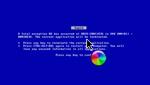 A ‘bad day’ in the studio can sometimes turn into a complete crisis. The final section looks at ways to avoid getting into – as well as climbing back out from – disastrous recording situations. Read the Full Article
Sponsors
We would love to thank this program's sponsors.

Yamaha is one of the longest-serving and is still the largest manufacturer of musical equipment in the world. From its headquarters in Hamamastu in Japan, Yamaha designs and builds everything from synthesizers to silent violins, portable music recorders to state-of-the-art digital consoles, and from acoustic grand pianos to chipsets for mobile phones.

For almost 50 years, this Japanese audio electronics specialist that began making phono cartridges, has been making award-winning microphones and headphones including the 4033, and 4050 condensers. Audio-Technica has been very involved in supplying equipment for prestigious international events including the Olympics, the GRAMMY’S, CMA, and Rock ‘n’ Roll Hall Of Fame ceremonies.

Steinberg was a pioneer in the new technology of MIDI back in 1985 offering the world a series of innovative ‘sequencers’ initially on the Atari platform. The convergence of MIDI with digital audio spawned the Digital Audio Workstation, of which the company’s Cubase and Nuendo are world-leading examples. Steinberg also now produces hardware interfaces and controllers.

Founded in the 1950s by Bill Putnam Sr, one of the most influential recording engineers and equipment designers of his generation, was reinvented in the twenty-first century not only to offer Putnam’s classic studio tools such as the LA-2A and 1176 compressor, but also to offer software emulations of these and other classic designs to a new audience via the UAD-1 and now UAD-2 cards.

In addition to making some of the most beautiful – and beautiful sounding loudspeakers on the planet, B&W is deeply involved with the furtherance of ‘sound quality’ via its Society Of Sound initiative, and B&W Music Club that sponsors new recordings conducted at Peter Gabriel’s Real World studios in the UK.

Since 1994, Missouri-based studio furniture manufacturers have been making a range of stylish, ready-to-assemble console and rack enclosures, tables, speaker stands, chairs and more.
Much more than simply a manufacturer of acoustic treatments, Auralex offers a range of services and solutions for recording environments at all levels from bedroom studio to houses or worship, to education, and live performance venues. The Auralex website also offers tuition on acoustics and a free room analysis service.

Lexicon led the way in terms of the ‘digitization’ of reverb and delay signal processing back in the 1970s. Since then, ‘Lexicon reverb’ has become synonymous with the very highest quality, both on its range of hardware units and, more recently, with its software emulations.
A company at the very forefront of storage solutions for the arts and media industries, LaCie has a huge range of external, network, RAID, and portable hard drives, as well as a top quality collection of graphics monitors, cables, hubs, and power supplies. A LaCie Rugged Hard Drive has followed this project around the country since Day One.
Music Player, part of New Bay Media is the parent company of iconic specialist musical instrument magazines including Keyboard, Guitar Player, Bass Player, and EQ. In addition to its print publications, Music Player Network offers complementary services on-line, including lessons, reviews, interviews, and more.

Founded by B. Andrew Barta, inventor of the SansAmp, Tech 21 has been at the forefront of amplifier emulation technology for more than 20 years. Today, the company makes a whole range of pedals, pre-amps, and processors for guitarists and bass players for both studio and stage applications.
A.S.S.R. RSS Feed
